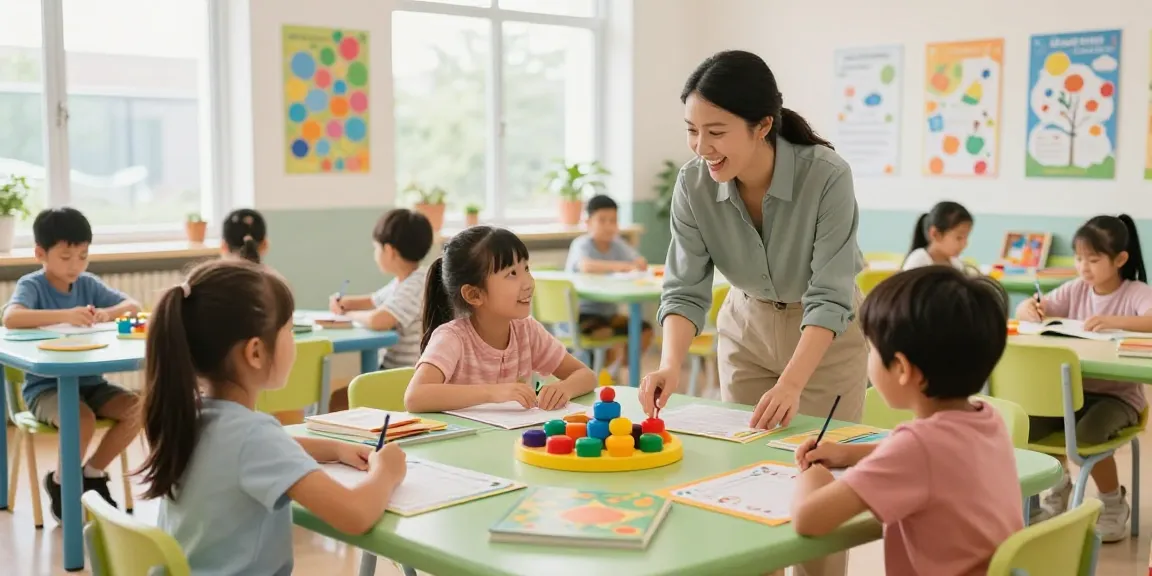
The Growing Demand for Physics Tuition
In recent years, the need for physics tuition has surged, driven by the increasing complexity of educational standards and the distinct challenges students face in comprehending fundamental concepts. As we approach 2026, educational landscapes are evolving, prompting students and parents alike to seek personalized support to navigate these demanding academic environments. The transition to virtual learning combined with traditional classroom settings has made it imperative for students to find reliable resources that can enhance their understanding of physics.
Understanding Current Educational Trends
The landscape of education is continuously shifting, especially in subjects like physics, which is often seen as one of the more challenging disciplines. Educational trends indicate a growing emphasis on STEM (Science, Technology, Engineering, and Mathematics) subjects, as they are pivotal for the future job market. Not only do students need to grasp basic physics principles, but they must also apply critical thinking and problem-solving skills that are essential for success in these fields. Additionally, more schools are integrating project-based learning approaches that require a solid understanding of physics, further heightening the need for supplemental tuition.
Why Physics Tuition is Essential for Students
Physics tuition is not merely a supplemental educational tool; it plays a vital role in a student's academic journey. The subject’s inherent complexities—ranging from classical mechanics to quantum theory—can overwhelm even the most diligent learners. With the right tutoring, students can receive tailored instruction that clarifies these concepts and relates them to real-world applications, making learning more engaging and relatable. This personalized approach can significantly improve student performance and foster a deeper interest in physics.
Analyzing Market Needs in 2026
As we look toward 2026, the market for physics tuition is anticipated to expand even further. The advent of new technologies, alongside the increase in competitive job markets, will push educational institutions to prioritize physics education. The demand for skilled tutors who can adapt to students' varying learning styles and academic needs will grow, as parents seek effective ways to ensure their children excel in physics and other STEM subjects.
Key Benefits of Physics Tuition for Students
Personalized Learning Approaches
One of the most significant benefits of physics tuition is the personalized learning approach it offers. Unlike traditional classrooms, where one size fits all, private tuition allows students to work at their own pace. Tutors can assess individual strengths and weaknesses, tailoring lessons accordingly. This method not only helps students grasp challenging concepts more effectively but also builds their confidence as they see their skills improve over time.
Improving Academic Outcomes and Confidence
Data shows that students who engage in physics tuition tend to achieve better academic outcomes. With the right guidance, students often see improvements in their grades, which contributes to a positive feedback loop that enhances their self-efficacy. Increased confidence not only translates to better performance in physics but can also positively affect other subjects, fostering a more holistic educational experience.
Developing Critical Thinking Skills
Beyond improving grades, physics tuition encourages the development of critical thinking and problem-solving skills. Physics is fundamentally about understanding natural phenomena, which requires students to analyze data, make hypotheses, and draw conclusions. A strong foundation in physics equips students with the analytical tools they need to navigate complex challenges, both academically and in their future careers.
Challenges Faced by Students in Understanding Physics
Common Misconceptions in Physics
Many students approach physics with preconceived notions that can lead to misunderstandings. Common misconceptions, such as the belief that heavier objects fall faster than lighter ones, can derail their learning. Addressing these misconceptions is crucial for a solid educational foundation, and effective tuition can provide personalized explanations that correct these misunderstandings.
Overcoming Learning Obstacles
Students frequently encounter obstacles when learning physics, such as anxiety or a lack of adequate foundational knowledge. These challenges can be mitigated through structured tutoring sessions that focus on building confidence and reinforcing core concepts. Tutors equipped with strategies to help students overcome these barriers can significantly impact their learning experience.
Balancing Physics with Other Subjects
Students often struggle to balance physics with other academic requirements. As curricula become more integrated, the need for comprehensive understanding across disciplines increases. Effective tuition can help students manage their time and resources, ensuring that they maintain proficiency in physics while also succeeding in other areas of study.
Strategies for Effective Physics Tuition
Engaging Teaching Methods for Better Learning
Utilizing engaging teaching methods is essential for effective physics tuition. This can include hands-on experiments, interactive simulations, and real-life applications that make learning more appealing. When students see the relevance of physics in their lives, they are more likely to engage deeply with the material.
Utilizing Technology in Physics Education
Incorporating technology is transforming the educational landscape. Tools such as online simulations, educational apps, and virtual reality experiences can enhance the learning of complex physics concepts. By leveraging these technologies, tutors can provide a richer educational experience that caters to various learning styles.
Measuring Student Progress and Success Indicators
To ensure that physics tuition is effective, it's crucial to establish criteria for measuring student progress. Regular assessments, feedback sessions, and goal-setting can help tutors and students track improvements. Establishing clear indicators of success not only helps in personalizing the learning experience but also keeps students motivated and accountable.
The Future of Physics Tuition: Trends and Innovations
Emerging Technologies in Education
As we move further into 2026, emerging technologies will continue to shape physics education. Innovations such as artificial intelligence and machine learning can provide tailored learning experiences that adapt to individual student needs. These advancements will likely streamline the tutoring process, making it easier for educators to identify areas where students require additional support.
Predictions for Physics Learning Environments
Future physics learning environments will likely blend traditional and virtual platforms, allowing for flexibility in how students interact with the subject matter. With the rise of hybrid learning models, students will have greater access to resources and expert guidance, making tuition more accessible than ever.
Preparing for Future Educational Challenges
As educational challenges continue to evolve, so too must the strategies employed in physics tuition. Tutors will need to be adaptable, utilizing a variety of teaching methods and tools to prepare students for an uncertain future. By incorporating skills that go beyond the curriculum, such as resilience and adaptability, educational institutions can equip students for success in a rapidly changing world.
What are the benefits of physics tuition?
The benefits of physics tuition include personalized learning, improved academic outcomes, and the development of critical thinking skills. Students receive tailored instruction that addresses their unique needs and enhances their understanding of complex concepts.
How can technology enhance physics learning?
Technology can enhance physics learning through interactive simulations, educational apps, and virtual learning environments that provide students with engaging and meaningful experiences. These tools can cater to various learning styles, making complex ideas more accessible.
What trends are shaping physics education in 2026?
Trends shaping physics education in 2026 include personalized learning through technology, the integration of real-world applications in physics curriculum, and an increasing emphasis on STEM-related skills. Additionally, hybrid learning environments are becoming more common as educational settings adapt to new learning preferences.
How do students select their physics tutors?
Students often select their physics tutors based on qualifications, teaching style, and personal recommendations. Additionally, factors such as availability, flexibility, and the tutor's ability to relate physics concepts to real-life situations can influence their choice.
What are common pitfalls in learning physics?
Common pitfalls in learning physics include misunderstanding fundamental concepts, lacking prerequisite knowledge, and having a fear of failure. These challenges can be addressed through effective tuition strategies that provide support and build confidence in students.