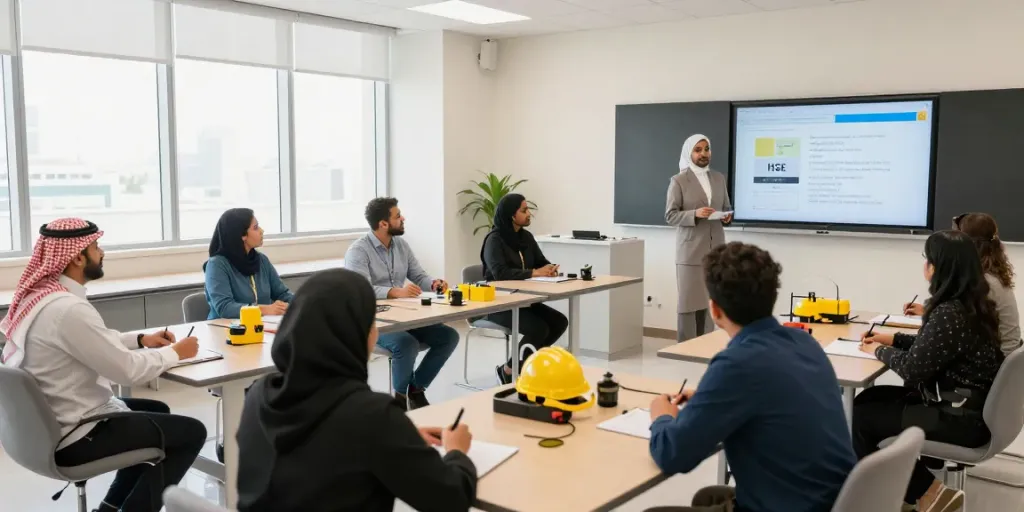
The Importance of Choosing the Right Training Institute in Saudi Arabia
In a rapidly evolving job market, the significance of choosing the right training institute cannot be overstated, particularly in Saudi Arabia's growing emphasis on health, safety, and environmental (HSE) standards. With a variety of options available, professionals need to ensure that their training aligns not only with national requirements but also with international standards that will bolster their careers. By opting for a reputable training institute, you gain access to high-quality education that enhances your qualifications and skills in HSE practices. When exploring options, Training Institute Saudi Arabia provides comprehensive insights into available programs and certifications.
Understanding HSE Training Needs
Health, Safety, and Environmental (HSE) training is critical in mitigating risks associated with workplace hazards. Understanding these training needs begins with assessing specific industry requirements. Industries such as oil and gas, construction, and manufacturing are often subject to stringent safety regulations, necessitating a skilled workforce that comprehends both theory and practical application of safety measures. Furthermore, the dynamic nature of these sectors calls for ongoing education to keep pace with evolving standards and technologies.
Factors to Consider When Selecting an Institute
When evaluating training institutes, several factors should guide your decision:
- Accreditation: Ensure the institute is accredited by recognized bodies such as the National Fire Protection Association (NFPA) or ProQual (UK).
- Curriculum: Look for programs that offer relevant, up-to-date coursework tailored to your field of interest.
- Instructors: Research the qualifications and industry experience of the trainers delivering the courses.
- Flexibility: Programs should accommodate different learning schedules—consider those offering online learning or on-site training.
- Support Services: Good institutes provide comprehensive support services including career counseling and job placement assistance.
How Accredited Programs Enhance Career Opportunities
Accredited programs often hold weight in the job market, making candidates more attractive to potential employers. Holding certifications from recognized bodies validates your skills and knowledge, increasing your employability. Many employers in high-risk industries prioritize candidates who demonstrate a commitment to professional development through recognized training programs. Furthermore, continual learning through accredited courses can lead to leadership opportunities within your organization, fostering career growth that aligns with industry advancements.
Top HSE Certifications Offered in Saudi Arabia
Overview of NFPA and ProQual Certifications
The NFPA and ProQual certifications are among the most valuable credentials for HSE professionals in Saudi Arabia. NFPA certifications cover critical areas, including fire safety and prevention strategies essential in high-risk environments. On the other hand, ProQual offers a range of diplomas, such as the NVQ Level 6 Diploma in Occupational Health and Safety Practice and the Level 7 Diploma in Strategic Health and Safety Leadership, which equip individuals with leadership abilities to manage safety systems effectively.
Impact of ISO Certifications on Workplace Safety
ISO certifications such as ISO 9001:2015 (Quality Management System), ISO 14001:2026 (Environmental Management System), and ISO 45001:2018 (Occupational Health and Safety Management System) are critical for organizations aiming to elevate their operational standards. These certifications not only improve workplace safety but also enhance overall organizational efficiency. Companies that implement ISO standards report lower incident rates, improved regulatory compliance, and increased stakeholder trust.
Comparing Diploma Levels: NVQ vs. ProQual
Understanding the difference between NVQ (National Vocational Qualification) and ProQual diplomas is essential for career advancement in health and safety. NVQ qualifications focus more on practical, work-based learning, making them suitable for roles requiring hands-on experience. In contrast, ProQual diplomas may incorporate more theoretical components, equipping professionals with strategic leadership skills that are crucial for high-level management roles in safety environments.
Best Practices for Maximizing Your Training Experience
Effective Learning Techniques for Adult Professionals
Adult learners benefit from interactive and practical learning techniques that incorporate real-life scenarios. Techniques such as collaborative learning, case studies, and role-playing can significantly increase engagement and retention of information. Additionally, leveraging digital tools like webinars and online forums can enhance your learning experience, especially for those balancing work and study.
Networking Opportunities Within Training Programs
Training programs provide invaluable networking opportunities. Engaging with instructors and peers can lead to professional connections that may aid in future career prospects. Participate actively in group discussions, forums, and workshops, as these interactions can open doors to mentorship, collaboration, and even job opportunities in the HSE field.
How to Customize Training for Specific Workplace Needs
Many training institutes offer tailored programs designed to meet the unique needs of an organization. Employers should work closely with training providers to develop customized content that addresses specific challenges and compliance regulations relevant to their industry. This approach ensures that employees receive practical training that directly applies to their daily responsibilities, maximizing the return on investment in training.
Future Trends in HSE Training in 2026 and Beyond
Integration of Technology in Safety Training
The future of HSE training is heavily influenced by the integration of technology. Innovations such as virtual reality (VR) and augmented reality (AR) are being utilized to create immersive training environments that enhance learning outcomes. These technologies offer safe simulation experiences that are particularly beneficial for high-risk scenarios, enabling trainees to practice skills and decision-making in controlled settings.
Emerging Regulations Impacting HSE Certifications
As global standards evolve, so too do the regulations governing health and safety training. In 2026, we anticipate the introduction of stricter guidelines requiring continuous education and re-certification in many sectors. Staying informed about these changes and updating training programs accordingly will be crucial for compliance and maintaining safety in the workplace.
Continuing Education and Lifelong Learning in Safety
The concept of lifelong learning is becoming increasingly important in the HSE profession. Professionals are encouraged to pursue ongoing education to stay current with industry best practices, technologies, and compliance requirements. This commitment not only enhances individual knowledge but also contributes to fostering a culture of safety within organizations.
FAQs About Training Institutes in Saudi Arabia
What types of courses are available at a training institute?
Training institutes in Saudi Arabia offer a diverse range of courses covering various aspects of health, safety, and environmental management, including first aid, fire safety, and specialized industry certifications from accredited bodies.
Are online courses recognized for certification in Saudi Arabia?
Yes, many training institutes provide online courses that are recognized for certification. However, it is essential to ensure that these courses are accredited by relevant authorities to maintain their validity and acceptance in the industry.
How can I find a training institute near me?
Finding a training institute is easy through an online search or by consulting local business directories. Additionally, many organizations provide recommendations based on their experiences with various institutes.
What is the cost of HSE training courses in Saudi Arabia?
The cost of HSE training courses varies widely depending on the program's duration, depth, and the institute's reputation. It is advisable to compare prices and review the course content to ensure value for money.
How do certifications affect job prospects in the industry?
Certifications are increasingly critical in the job market, serving as proof of competence and commitment to continuous professional development. Employers often look for candidates who are certified in relevant areas, as it demonstrates expertise and adherence to industry standards.