Understanding Pre Nursery Singapore
In Singapore, the importance of a solid educational foundation is recognized early, making pre nursery an essential part of childhood education. Pre nursery programs cater to young children, typically aged between 18 months and 3 years, focusing on fostering both social and cognitive skills. These formative years are crucial for developing a child’s curiosity, which serves as a springboard for lifelong learning. When exploring options, pre nursery Singapore offers comprehensive insights into quality early childhood education, enabling parents to make informed decisions.
What is Pre Nursery?
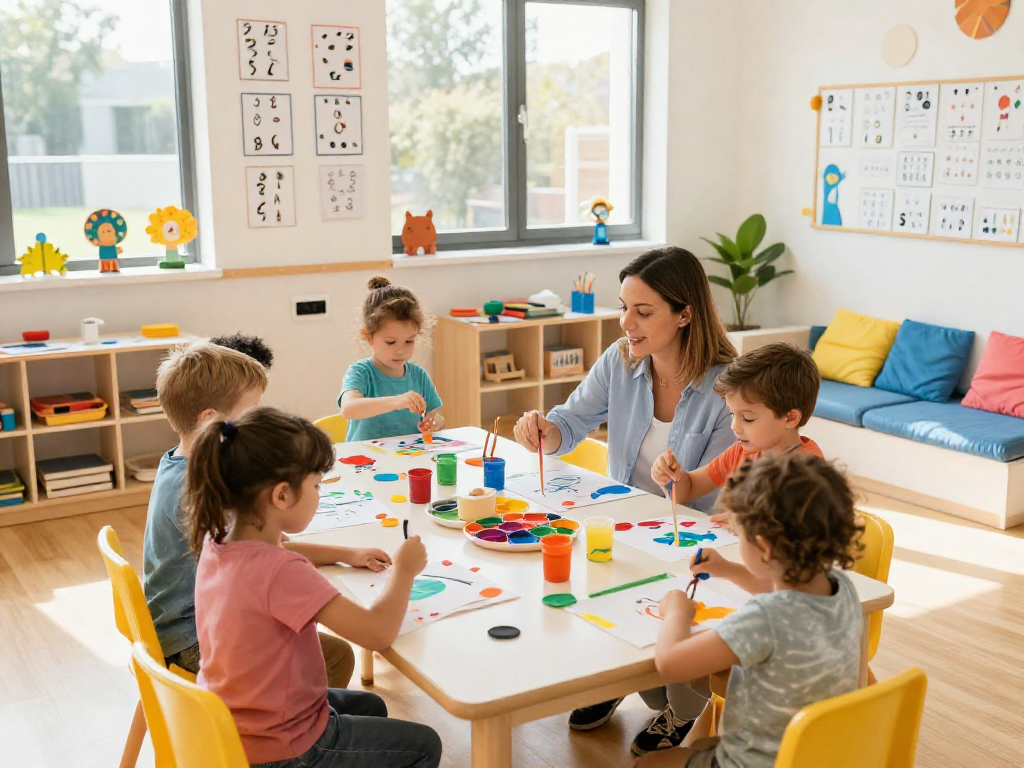
Pre nursery is an early childhood educational setting designed to promote development in children aged 18 months to 3 years. This stage of education is crucial as it provides children with structured learning environments where they can engage in social interactions, explore new ideas, and begin to develop essential skills. Pre nursery programs often emphasize play-based learning, allowing children to learn through exploration and hands-on experiences.
Importance of Early Childhood Education
The significance of early childhood education cannot be overstated. Studies show that quality early education can have a lasting impact on a child's development, significantly influencing their social, emotional, and cognitive growth. Children who attend pre nursery programs often display improved communication skills, better emotional regulation, and enhanced problem-solving abilities. Moreover, these foundational skills empower them for future academic success.
Benefits of Inquiry-Based Learning
Inquiry-based learning is a pedagogical approach that emphasizes children’s natural curiosity and encourages them to ask questions and explore their interests. In pre nursery settings, such an approach nurtures a love for learning by engaging children in hands-on activities that promote critical thinking and creativity. This method not only makes learning enjoyable but also prepares children to approach challenges with a problem-solving mindset.
Choosing the Right Pre Nursery Environment
When selecting a pre nursery, it’s vital to consider the environment in which your child will learn. The right setting can significantly influence a child's emotional and social development. Parents should look for environments that promote safety, engagement, and are conducive to learning while also offering ample opportunities for play.
Key Features to Look For
- Safe and Stimulating Environment: Look for clean, well-maintained facilities that encourage exploration both indoors and outdoors.
- Low Teacher-to-Child Ratio: A lower ratio ensures that children receive adequate attention and support, fostering their development more effectively.
- Diverse Learning Activities: Programs should provide a variety of activities that cater to different learning styles, including arts, music, and physical activities.
Assessing Curriculum Approaches
Different pre nurseries may adopt various curriculum approaches, such as the Reggio Emilia method or Montessori principles. Understanding these approaches allows parents to align a nursery’s teaching philosophy with their educational values. Look for curricula that promote inquiry, creativity, and holistic development, as these are essential for nurturing a child’s overall growth.
Importance of Teacher Qualifications
The qualifications and experience of teachers play a critical role in the quality of pre nursery education. Educators should be trained in early childhood development and possess the skills necessary to create engaging, inclusive, and supportive learning environments. Additionally, continuous professional development is vital for teachers to stay updated on the latest educational practices.
Programs Offered in Pre Nurseries
Pre nursery programs typically offer a range of structured activities designed to encourage social interaction and cognitive growth in children. These programs vary in their scope and focus, providing parents with multiple options suited to their children's needs.
Overview of Typical Programs
Most pre nursery settings provide a combination of play-based learning and structured activities aimed at developing foundational skills. Common programs may include sensory play, arts and crafts, music and movement, storytelling, and basic mathematics. These activities are not only fun but also instrumental in enhancing various skills.
Comparative Analysis of Curriculum Types
When comparing different curriculum types, it’s important to understand how each one affects learning outcomes. For instance, inquiry-based programs encourage children to explore topics that interest them, whereas traditional learning focuses more on rote memorization. It’s crucial to select a curriculum that aligns with your child’s learning style and preferences.
Tailoring Programs to Individual Needs
Every child is unique, and effective pre nursery programs recognize this by offering personalized learning paths. Assess how schools adapt their programs to meet individual needs, whether through differentiated instruction, targeted activities, or personalized assessments that cater to each child's development.
Parental Involvement in Pre Nursery Education
Parental involvement is a key component of successful pre nursery programs. Engaging with educators and participating in school activities can significantly enhance a child’s learning experience.
Encouraging Home Learning
Parents can extend their child’s learning beyond the classroom by creating an enriching home environment. Simple activities such as reading together, engaging in arts and crafts, and participating in community events can reinforce learning. Making learning a shared experience fosters a positive attitude towards education.
Effective Communication with Teachers
Regular communication with teachers is vital for understanding your child’s progress and addressing any concerns. Establishing a good rapport with educators allows parents to stay informed about their child’s development and participate in their learning journey.
Participating in School Activities
Participating in school activities not only helps parents stay engaged with their child's education, but it also strengthens the school community. Activities such as volunteer opportunities, parent-teacher meetings, and school events allow parents to contribute to their child's school and connect with other families.
Future Trends in Pre Nursery Education
The landscape of pre nursery education is continuously evolving, influenced by advancements in technology, research in early childhood development, and changing societal needs. Here are a few significant trends to watch in the coming years.
Integrating Technology in Learning
As technology becomes increasingly integrated into daily life, pre nurseries are beginning to embrace digital tools that enhance learning experiences. Interactive apps and educational games can support skill development while also making learning more engaging for young children.
Emphasis on Holistic Development
There is a growing recognition of the importance of nurturing not just academic skills but also emotional and social competencies. Programs that emphasize holistic development are likely to focus on the whole child, fostering resilience, communication skills, and emotional intelligence.
Preparing for a Diverse Learning Environment
As communities become more diverse, pre nursery programs are adapting to prepare children for a multicultural world. This includes promoting respect for different cultures, encouraging inclusivity, and teaching children to appreciate diversity from an early age.
What is the age range for pre nursery programs?
Pre nursery programs typically cater to children aged 18 months to 3 years, laying the foundation for their educational journey.
How do I choose between local and international pre nurseries?
Choosing between local and international pre nurseries depends on your family’s educational philosophy, cultural values, and the language of instruction you prefer for your child.
What should I prepare for my child’s first day?
Prepare your child for their first day by discussing what to expect, packing a nutritious lunch, and bringing along comfort items like a favorite toy or blanket to help them adjust.
Are there specific licenses required for pre nursery centers?
Yes, pre nursery centers in Singapore must adhere to specific licensing requirements set by the Ministry of Education, ensuring they meet safety and educational standards.
What are the average fees for pre nursery Singapore?
The average fees for pre nursery programs in Singapore can vary widely, depending on the institution and the facilities offered, typically ranging from SGD 800 to SGD 2,000 per month.