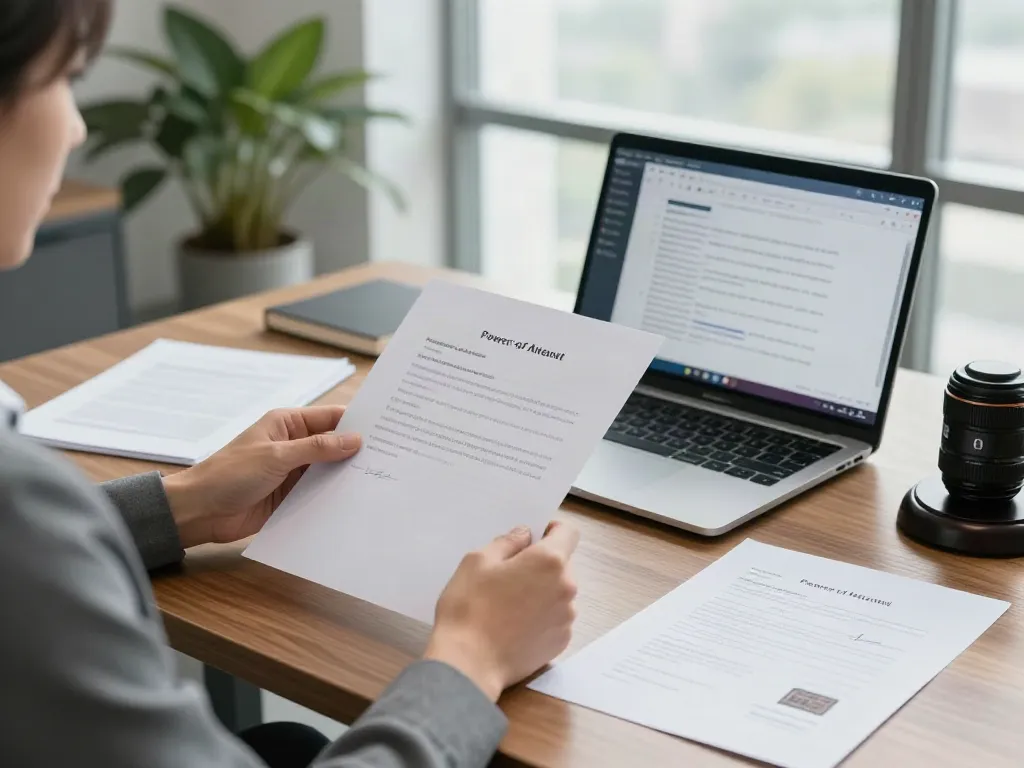
Understanding Power of Attorney in Dubai
The concept of a Power of Attorney (POA) is pivotal for individuals and businesses in Dubai, where legal transactions often require representation due to geographical or logistical constraints. A Power of Attorney in Dubai grants a designated individual the authority to act on behalf of another person, providing essential flexibility in legal and financial matters. As Dubai continues to thrive as an international business hub, understanding the intricacies of POAs becomes increasingly crucial for expatriates and local residents alike. When exploring options, Power of Attorney in Dubai provides comprehensive insights into the types and requirements of POAs.
What is a Power of Attorney?
A Power of Attorney is a legal document that allows one person (the principal) to authorize another person (the agent or attorney-in-fact) to act on their behalf in legal, financial, or medical matters. This arrangement is particularly useful in situations where the principal is unable to be present to carry out certain transactions or decisions, such as during travel, illness, or incapacity. In Dubai, POAs are recognized under UAE law, and they must comply with specific regulations to be considered valid.
Types of Power of Attorney in Dubai
Dubai recognizes several types of Power of Attorney documents, each serving different purposes:
- General Power of Attorney: This grants broad powers to the agent, enabling them to manage a wide array of affairs on behalf of the principal.
- Special Power of Attorney: This limits the agent's authority to specific tasks or decisions, such as the sale of property or handling a particular business transaction.
- Durable Power of Attorney: This remains effective even if the principal becomes incapacitated, ensuring that decisions can still be made in their best interest.
- Medical Power of Attorney: This type allows the agent to make healthcare decisions on behalf of the principal in case they are unable to communicate their wishes.
Legal Requirements for POA in Dubai
To create a valid Power of Attorney in Dubai, several legal requirements must be met:
- The document must be in Arabic or include an Arabic translation if drafted in another language.
- It should be signed by the principal in the presence of a notary public.
- If the principal is not physically present in Dubai, an overseas Power of Attorney can be executed, which must then be authenticated by the UAE embassy or consulate in that country.
- Certain powers may require additional documentation or specific forms, especially in cases involving real estate transactions.
How to Create a Power of Attorney
Creating a Power of Attorney is a straightforward process, but it requires careful attention to detail to ensure compliance with legal standards. Here’s a step-by-step guide to drafting a POA:
Step-by-Step Guide to Drafting a POA
- Determine the Type of POA: Assess your specific needs to decide whether a general or special POA is appropriate.
- Select an Agent: Choose a trusted individual as your agent. Ensure that they are someone who can fulfill your wishes responsibly.
- Draft the Document: Clearly outline the powers you are granting. Be explicit about any limitations or specific tasks.
- Notarization: Schedule an appointment with a notary public for the signing of the document.
- Distribution: Provide copies of the executed POA to the agent and any relevant institutions or parties.
Online vs Offline Power of Attorney Services
In Dubai, the process of obtaining a Power of Attorney can be done either online or offline. Online services have gained popularity due to their convenience and efficiency:
- Online Services: Many legal firms offer platforms to draft and notarize POAs online. This option often involves filling out forms electronically and may include virtual consultations with legal experts.
- Offline Services: Traditional methods require in-person meetings with legal professionals and notaries, which may take longer but can provide personalized assistance.
Common Mistakes to Avoid When Creating a POA
When drafting a Power of Attorney, avoid the following common pitfalls:
- Not Being Specific: Ambiguity in the document can lead to misunderstandings. Clearly define the powers granted.
- Failure to Notarize: Ensure the document is notarized, as this is a legal requirement for validity.
- Ignoring Local Laws: Familiarize yourself with UAE laws regarding POAs to avoid legal issues later.
Costs Involved in Obtaining a Power of Attorney
The cost of obtaining a Power of Attorney in Dubai can vary significantly based on several factors, including the complexity of the document and the chosen service provider.
Typical Fees for Power of Attorney Services in Dubai
Generally, the fees for creating a Power of Attorney in Dubai can range from AED 500 to AED 2,000, depending on the scope of services offered:
- Basic POA Drafting: AED 500 - AED 1,000
- Comprehensive Legal Consultation: AED 1,000 - AED 2,000
- Notarization Fees: AED 200 - AED 500
Factors Affecting the Cost of a POA
Several factors can influence the overall cost of obtaining a Power of Attorney in Dubai:
- Complexity of the Document: More detailed or specialized POAs will typically incur higher fees.
- Legal Consultation: Engaging a lawyer for comprehensive advice can increase costs, but it may be beneficial for complex situations.
- Service Provider: Different legal firms and online services offer varying pricing structures, affecting the overall charge.
Hidden Costs You Should Be Aware Of
When budgeting for a Power of Attorney, consider hidden costs that may arise:
- Additional Notarization Fees: Depending on the jurisdiction, you may need multiple notarizations.
- Translation Services: If your document requires translation, this can add significant costs.
- Filing Fees: Some transactions may incur government filing fees that are not included in initial quotes.
Using Power of Attorney Effectively
A Power of Attorney can be invaluable in many scenarios, allowing individuals to manage their affairs effectively. Here are some common situations where a POA is utilized:
Common Scenarios for Using a POA in Dubai
- Real Estate Transactions: A POA can facilitate property buying or selling, especially if the principal is abroad.
- Bank Transactions: Individuals may authorize agents to manage banking affairs, ensuring bills and loans are handled promptly.
- Medical Emergencies: In the event of incapacitation, a medical POA enables an agent to make healthcare decisions.
How to Revoke a Power of Attorney
Revoking a Power of Attorney is a process that should be undertaken with care:
- Draft a Revocation Document: Create a clear document stating the revocation of the previous POA.
- Notify All Parties: Inform your agent and any institutions involved that the POA is no longer valid.
- Notarize the Revocation: Have the revocation document notarized to ensure its legal standing.
Real-Life Cases: Success Stories and Failures
Understanding real-life applications of Power of Attorney can shed light on its importance:
- Success Story: An expatriate was able to purchase a property in Dubai while stationed abroad by granting a special POA to a trusted friend.
- Failure: A principal did not clarify the specific powers granted, leading to disputes over financial decisions made by the agent.
Future Trends in Power of Attorney Practices
As technology continues to evolve, the landscape of legal services, including Power of Attorney, is also changing. Here are some trends to watch for:
Digital Evolution of Power of Attorney Services
The rise of digital platforms has revolutionized how POAs are created and managed. Online services are becoming more common, offering ease of access and the ability to handle legal documents remotely, which is especially beneficial for expatriates.
Legal Tech Innovations Impacting POA in Dubai
Legal technology is enhancing how documentation and notarization processes are executed. Innovations such as electronic signatures and blockchain technology are gaining traction, providing enhanced security and efficiency in handling POAs.
What to Expect in Power of Attorney Laws by 2026
While the laws surrounding Power of Attorney in Dubai are well-established, future developments may include increased regulations regarding digital POAs and enhancements in how notarization is performed. By 2026, we might see a shift towards greater recognition of electronic documentation across jurisdictions.