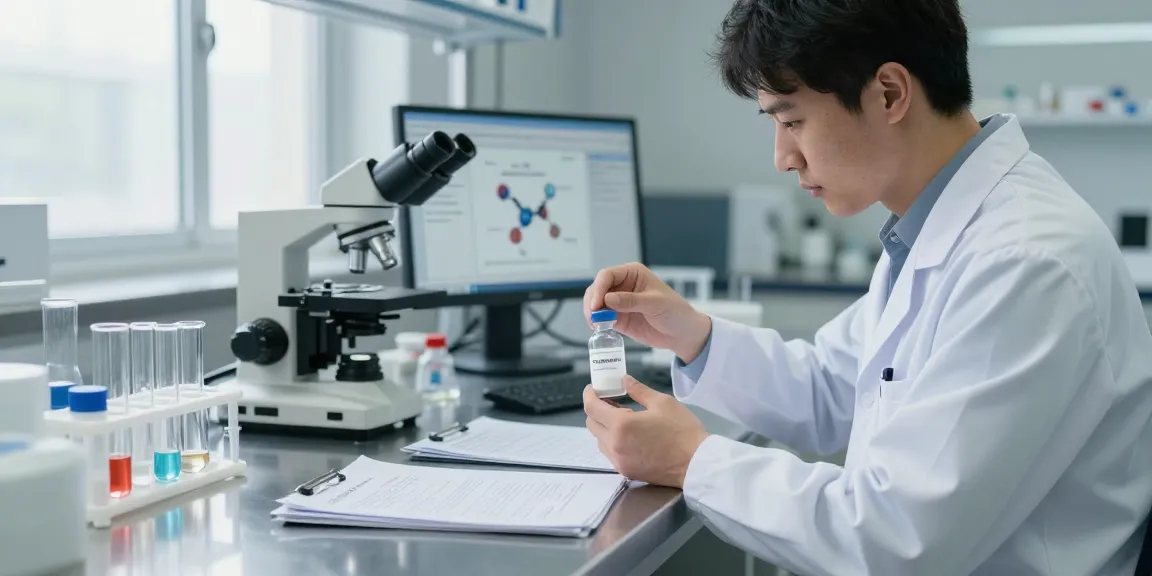
Understanding GHRP-2 and Its Mechanism
GHRP-2, or Growth Hormone-Releasing Peptide-2, is a synthetic peptide that plays a vital role in stimulating the secretion of growth hormone in the human body. As a member of the growth hormone-releasing peptide family, it has garnered attention for its potential benefits in various domains, including muscle growth, fat loss, and overall health enhancement. When exploring options, GHRP-2 stands out as a potent candidate for individuals seeking to optimize their growth hormone levels and achieve specific fitness goals.
What is GHRP-2?
GHRP-2 is a hexapeptide that mimics the action of ghrelin, a hormone that plays a crucial role in hunger signaling and energy balance. Developed in the early 1990s, GHRP-2 has been recognized for its ability to enhance growth hormone release from the pituitary gland, making it a valuable tool for researchers and health enthusiasts alike. Unlike some peptides, GHRP-2 boasts a strong potency in stimulating growth hormone release at relatively low doses, making it a popular choice for those interested in the potential benefits of increased growth hormone levels.
How Does GHRP-2 Work in the Body?
The mechanism by which GHRP-2 operates involves its binding to specific receptors in the central nervous system and the pituitary gland. When administered, GHRP-2 acts on the growth hormone secretagogue receptor (GHS-R), which triggers a cascade of physiological effects. This action leads to an increase in plasma levels of growth hormone, an important player in numerous bodily functions, including metabolism, muscle growth, and tissue repair.
The Role of Growth Hormone in Health
Growth hormone (GH) is essential for growth, body composition, and overall health. It influences various metabolic processes by promoting protein synthesis, increasing muscle mass, and facilitating fat breakdown. Additionally, GH has a significant impact on bone density and the regulation of glucose levels in the body. A deficiency in growth hormone can lead to various health issues, including obesity, decreased muscle mass, and impaired psychological well-being. Therefore, maintaining optimal growth hormone levels is crucial for health and longevity.
Common GHRP-2 Dosage Mistakes
When using GHRP-2, individuals often encounter challenges that can impact the effectiveness of their regimen. Being aware of common dosage mistakes can help maximize the benefits while minimizing potential side effects.
Overdosing and Its Effects
One of the most prevalent issues with GHRP-2 usage is overdosing. As a potent growth hormone secretagogue, GHRP-2 should be administered within a specific dosage range to avoid adverse effects. Overdosing can lead to increased levels of cortisol and prolactin, which may cause undesirable side effects such as water retention, mood swings, and decreased libido. It is vital to follow the recommended dosage guidelines and consult with a healthcare professional before making adjustments.
Under-dosing: Risks and Consequences
Conversely, under-dosing GHRP-2 can hinder the desired outcomes. A dose that is too low may not provide the necessary stimulation of growth hormone release, leading to suboptimal results. Users may find themselves frustrated with their progress, mistakenly believing that the peptide is ineffective. It is essential to find the right dosage that aligns with individual goals and body responses.
Misunderstanding Administration Methods
The method of GHRP-2 administration can significantly impact its effectiveness. Many users might overlook the importance of subcutaneous injection techniques or schedule timing relative to meals. For optimal benefits, GHRP-2 is often administered in low doses multiple times a day, typically around mealtime to enhance absorption and efficacy.
Best Practices for GHRP-2 Usage
To ensure the best results from GHRP-2, following established best practices is crucial. Understanding how to properly use this peptide can make a significant difference in your experience and outcomes.
Optimal Dosage Recommendations
Typically, a dosage range of 200 to 300 micrograms taken two to three times daily is recommended for most individuals. However, factors such as body weight, health status, and specific goals should be considered when determining the right dosage. Always begin with the lowest effective dose to assess tolerance and response.
Timing and Frequency of Administration
Administering GHRP-2 at the right times can enhance its efficacy. Users typically benefit from injecting the peptide about 30 minutes before meals or after intense workouts, as this timing can maximize the release of growth hormone and result in improved recovery and muscle gains.
Storing GHRP-2 Properly
Proper storage of GHRP-2 is essential to maintain its stability and effectiveness. It should be stored in a cool, dry place, ideally at temperatures between 2°C to 8°C (36°F to 46°F). After reconstitution, the peptide should be refrigerated and used within a specific timeframe to avoid degradation.
Monitoring Outcomes After GHRP-2 Use
After initiating GHRP-2 usage, monitoring progress and outcomes is essential to ensure safety and effectiveness. This involves tracking various physiological responses and consulting healthcare providers as necessary.
Tracking Growth Hormone Levels
Regular monitoring of growth hormone levels through blood tests can provide valuable insights into the effectiveness of GHRP-2 usage. By understanding how your body responds to the peptide, you can make informed decisions about dosage adjustments and overall treatment strategy.
Identifying Side Effects Early
Being vigilant about potential side effects, such as increased hunger, water retention, or changes in mood, is crucial. Early identification of these symptoms can allow for timely intervention and adjustments to your regimen, ensuring a more positive experience with GHRP-2.
Consulting with Healthcare Professionals
Engaging with healthcare professionals throughout your GHRP-2 usage is essential for safety and efficacy. These experts can provide personalized advice based on your health history, guiding you through potential risks and benefits while helping you stay on track with your goals.
Future Trends in Peptide Research
The field of peptide research continues to grow, with exciting developments on the horizon for GHRP-2 and other peptides. Understanding these trends can benefit users seeking to enhance their health and performance through peptide therapies.
Emerging Developments in GHRP-2 Research
Research into GHRP-2 is ongoing, with scientists exploring its applications beyond muscle growth and fat loss. Studies are increasingly investigating its potential in age-related conditions, metabolic disorders, and even cognitive enhancement. As knowledge expands, more tailored peptide therapies may emerge, offering a broader range of benefits.
Potential Alternatives and Comparisons
As interest in peptide therapeutics grows, alternatives to GHRP-2, such as GHRP-6 and other growth hormone secretagogues, are gaining attention. Understanding the differences in potency, side effects, and mechanisms can help users make informed choices tailored to their specific needs.
The Role of Technology in Peptide Therapy
Advancements in technology are driving innovation in peptide therapy. New delivery systems, like transdermal patches and oral formulations, are being researched to enhance the effectiveness and convenience of peptide administration. These innovations could revolutionize how peptides like GHRP-2 are used in clinical practice and fitness regimens.
What are the effects of GHRP-2 peptide?
The effects of GHRP-2 include increased growth hormone secretion, improved muscle growth, enhanced fat metabolism, and better recovery from workouts. Additionally, users often report improved sleep quality and overall well-being as a consequence of increased growth hormone levels.
Is GHRP-2 good for muscle growth?
Yes, GHRP-2 is considered beneficial for muscle growth due to its capacity to stimulate the release of growth hormone, which is essential for muscle hypertrophy and recovery. Many bodybuilders and athletes utilize GHRP-2 as part of their training regimen to maximize performance and results.
What are the side effects of taking GHRP-2?
Potential side effects of GHRP-2 include increased appetite, water retention, changes in mood, and possible fluctuations in cortisol and prolactin levels. Users should monitor their response closely and consult healthcare professionals if any concerning symptoms arise.
Does GHRP-2 make you hungry?
Yes, one of the common side effects of GHRP-2 is an increase in appetite. This is due to its mimicry of ghrelin, a hormone that stimulates hunger. While this can be beneficial for those looking to gain weight, it may not be ideal for individuals focused on weight loss.