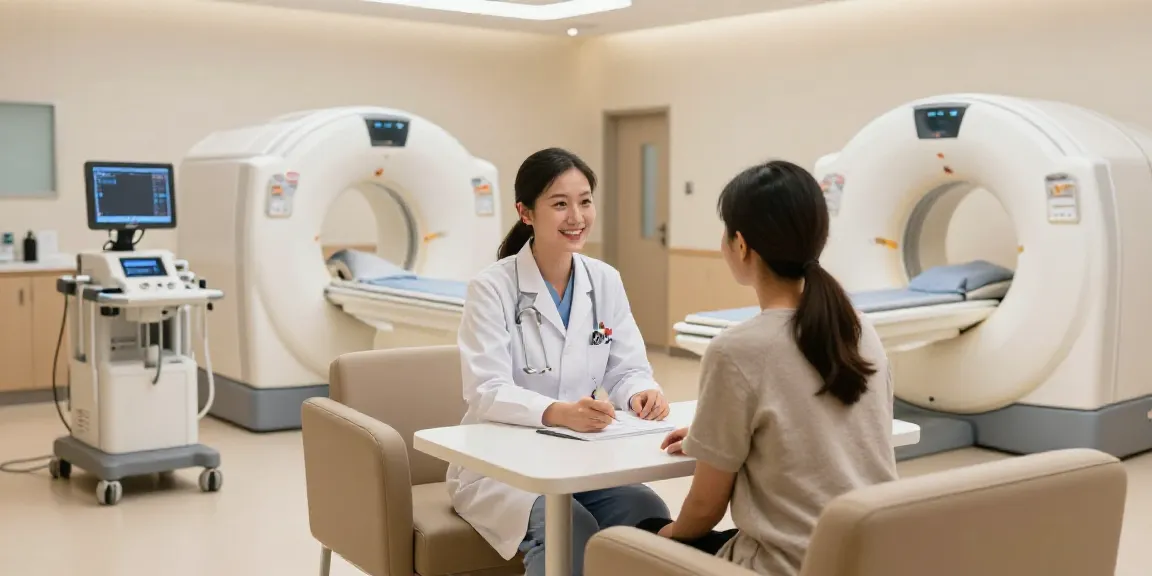
Understanding Thoracic Surgery
Thoracic surgery involves surgical procedures to treat diseases affecting the chest region, including the lungs, heart, esophagus, and other structures. With advancements in medical technology and techniques, thoracic surgery has evolved to encompass a wide range of procedures aimed at diagnosing and managing both benign and malignant conditions. Patients seeking thoracic surgery options can expect highly specialized care that ranges from minimally invasive procedures to complex operations. These surgeries can be life-saving and are often performed in tandem with comprehensive evaluations to achieve optimal patient outcomes.
What is Thoracic Surgery?
Thoracic surgery is a surgical discipline focused on treating conditions affecting the thoracic cavity. This specialty primarily addresses disorders of the lungs and esophagus but extends to include abnormalities in the chest wall and mediastinum. The procedures can be necessary for a variety of reasons, from cancer treatment to trauma repair.
Common Types of Thoracic Surgery Procedures
Some of the most common thoracic surgical procedures include:
- Lung Resection: Removal of a portion of the lung, often due to lung cancer or other serious lung conditions.
- Esophagectomy: Surgical removal of part or all of the esophagus, typically performed for esophageal cancer.
- Thoracotomy: An incision into the chest wall to access the lungs or heart for diagnosis and treatment.
- Video-Assisted Thoracoscopic Surgery (VATS): A minimally invasive technique that uses small incisions and a camera to assist in surgical procedures.
Benefits of Minimally Invasive Techniques
Minimally invasive thoracic surgery techniques, such as VATS, offer significant advantages over traditional open surgery. These benefits include:
- Reduced Pain: Smaller incisions lead to less physical trauma, which can decrease postoperative pain.
- Shorter Recovery Time: Patients often experience faster recovery times, allowing them to resume daily activities sooner.
- Lower Risk of Complications: Minimally invasive approaches generally have a lower rate of complications compared to conventional methods.
Why Choose Our Thoracic Surgery Department?
The Cleveland Clinic Abu Dhabi’s Department of Thoracic Surgery has established itself as a leader in patient care, driven by a commitment to excellence and patient-centric approaches. Our focus on individualized care ensures that each patient's unique needs and circumstances are considered during treatment planning.
Expertise of Our Surgical Team
Our surgical team comprises highly trained thoracic surgeons with extensive experience in a wide range of thoracic conditions. They utilize the latest techniques and protocols to ensure the highest standards of care are maintained. Regular training and participation in medical research keep our staff at the forefront of surgical innovation.
Advanced Technologies Utilized
At Cleveland Clinic Abu Dhabi, advanced surgical technologies play a pivotal role in our thoracic surgery procedures. These include state-of-the-art imaging systems that enhance surgical precision and efficacy. Robotic-assisted surgeries, for instance, allow for unparalleled dexterity and control during complex procedures.
Patient-Centric Care Approach
Our “Patients First” philosophy guarantees that every patient receives holistic care. We ensure comprehensive pre-operative assessments and personalized postoperative support to facilitate recovery. Patient education, including clear communication about procedures and expected outcomes, is a cornerstone of our approach.
Thoracic Surgery Specialty Programs
Our department offers several specialty programs tailored to specific thoracic conditions, reflecting our dedication to comprehensive patient care.
Programs for Lung and Esophageal Conditions
Dedicated programs facilitate the diagnosis and treatment of various diseases affecting the lungs and esophagus. These programs include multidisciplinary teams consisting of pulmonologists, oncologists, and dietitians to provide comprehensive management.
Innovative Treatment Options for Chest Wall Diseases
Pioneering techniques for addressing chest wall diseases are a hallmark of our practice. We are committed to implementing innovative therapies that reduce recovery times and enhance patient quality of life. This includes both surgical and non-surgical options based on the patient's condition.
Interdisciplinary Collaboration for Comprehensive Care
Thoracic surgery often requires a collaborative approach. Our specialists work closely with cardiologists, oncologists, and radiologists to ensure that all aspects of a patient's health are considered in their treatment plan, leading to better outcomes.
Patient Stories and Testimonials
Nothing reflects the effectiveness of our care better than the success stories of our patients. These narratives highlight the journey from diagnosis to recovery, showcasing resilience and hope.
Real-life Experiences from Our Patients
Patients like Moussa Abd ElRaihim Elgohary demonstrate the transformative effect of our innovative thoracic procedures. As the first person worldwide to receive a groundbreaking surgical technique for an abdominal aortic aneurysm, his story exemplifies our commitment to pushing boundaries in surgical care.
Highlighting Successful Surgical Outcomes
Numerous cases illustrate how our advanced techniques result in successful surgical outcomes. The stories of patients who have undergone complex thoracic procedures and returned to their daily lives reflect our department's dedication to excellence.
Building Trust and Transparency with Patient Narratives
Real-life patient experiences foster trust, providing potential patients insights into the care they can expect. The transparency in our treatment processes allows individuals to feel more confident and informed about their health choices.
Future of Thoracic Surgery: Trends and Innovations
The field of thoracic surgery is rapidly evolving, with new technologies and methodologies emerging to enhance surgical care.
Emerging Technologies in Surgical Procedures
Technological advancements such as augmented reality and artificial intelligence are set to revolutionize surgical techniques. These innovations create opportunities for improved surgery outcomes and enhanced precision.
Predictions for Patient Care Improvements by 2026
Industry experts predict that by 2026, thoracic surgery will increasingly focus on personalized medicine, integrating genomic data to tailor treatments to individual patients more effectively.
Focus on Remote Monitoring and Postoperative Care
The adoption of remote patient monitoring tools will allow for continuous oversight of patients post-surgery, ensuring complications can be addressed swiftly. This proactive approach to care is expected to become standard practice in the near future.
How serious is thoracic surgery?
Like any major surgical procedure, thoracic surgery carries risks. However, with skilled surgeons and advanced technology, many patients experience successful outcomes.
What is the most common type of thoracic surgery?
Lung resections and esophagectomies are among the most commonly performed thoracic surgeries, typically conducted for cancer treatment or severe lung conditions.
How long does it take to recover from thoracic surgery?
Recovery times can vary significantly based on the procedure performed and the individual’s health. Generally, patients can expect to spend several days in the hospital followed by weeks at home for full recovery.
What does thoracic surgery do?
Thoracic surgery aims to treat diseases and injuries affecting the thorax, which can include procedures on the lungs, heart, and esophagus to improve health outcomes.
What are the risks associated with thoracic surgery?
Potential risks include infection, bleeding, respiratory problems, and complications related to anesthesia. Discussing these risks with your surgical team is essential for informed decision-making.