Emerging Trends in Aerospace CNC Machining
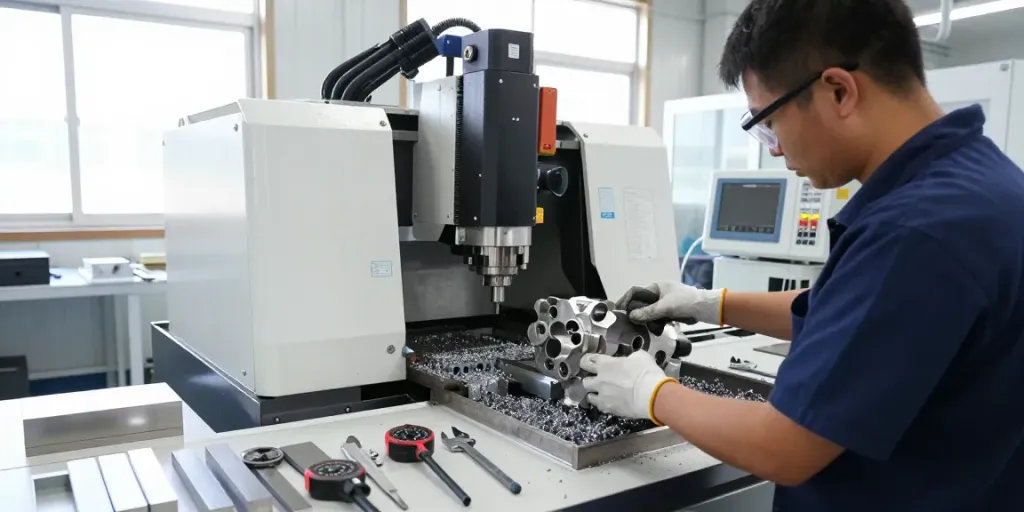
The aerospace industry is experiencing rapid evolution, driven by advancements in technology and a growing demand for more efficient and sustainable manufacturing processes. As a result, the importance of CNC (Computer Numerical Control) machining has surged, becoming a cornerstone in the production of precision aerospace components. Leading aerospace cnc parts manufacturers are at the forefront of this transformation, harnessing innovative techniques to enhance productivity and quality.
Innovative Technologies Driving Efficiency
In the modern aerospace landscape, the integration of automation and advanced technologies is pivotal. Technologies such as artificial intelligence (AI), machine learning, and the Internet of Things (IoT) are reshaping CNC machining. These technologies enable manufacturers to monitor production processes in real-time, predict maintenance needs, and optimize operational efficiency. For instance, predictive analytics allows for the identification of potential issues before they arise, minimizing downtime and ensuring continuous operation.
Sustainable Practices in Aerospace Manufacturing
Sustainability has become a key concern for aerospace manufacturers as they seek to reduce their environmental impact. The adoption of eco-friendly materials and sustainable practices not only meets regulatory requirements but also appeals to environmentally conscious consumers. Techniques such as additive manufacturing, which minimizes waste by using only the required amount of material, are gaining traction. This shift not only reduces costs but also helps in achieving corporate sustainability goals.
Future Material Advancements for Aerospace Parts
The materials used in aerospace machining are critical to the performance, safety, and durability of aircraft. Future advancements are likely to focus on lightweight materials that maintain strength and resilience, such as carbon composites and titanium alloys. These materials are essential in developing more fuel-efficient aircraft with improved performance. Continuous research into advanced nanomaterials may further enhance the capabilities of aerospace components.
Key Benefits of CNC Machining for Aerospace Applications
CNC machining offers numerous advantages that make it an ideal choice for aerospace applications. Its precision and ability to work with a wide variety of materials enable manufacturers to create complex components that meet stringent aerospace standards.
Precision and Accuracy in Aerospace Components
One of the most significant advantages of CNC machining is its unmatched precision. CNC machines operate with an accuracy of up to ±0.001 inches, making them ideal for creating intricate parts with tight tolerances. This level of precision is crucial in the aerospace industry, where even minor deviations can have serious safety implications. The use of CNC machining ensures that each component fits perfectly, leading to reliable and safe aircraft operations.
Cost-Effectiveness of CNC Machining Processes
While the initial setup costs for CNC machining can be high, the long-term cost savings outweigh the initial investment. CNC machines can operate continuously, reducing labor costs and increasing production speed. Moreover, the ability to quickly produce prototypes allows manufacturers to test designs and make adjustments without incurring substantial delays or expenses.
Rapid Prototyping and On-Demand Production
CNC machining excels in rapid prototyping, an essential aspect of the aerospace manufacturing process. With the capability to quickly produce prototypes, manufacturers can test designs and iterate based on performance feedback. This agility is critical in a competitive industry where speed to market can be a deciding factor. Furthermore, CNC machining allows for on-demand production, which reduces inventory costs and aligns production closely with market demand.
Challenges Faced by Aerospace CNC Parts Manufacturers
Despite its numerous advantages, the aerospace CNC manufacturing sector is not without challenges. Manufacturers must navigate complex issues ranging from supply chain disruptions to stringent regulatory compliance.
Supply Chain Disruptions and Material Shortages
Recent global events have highlighted vulnerabilities in supply chains, leading to material shortages that can halt production. Aerospace manufacturers must develop resilient supply chains and diversify their material sources to mitigate these risks. Collaborations with suppliers and investment in local sourcing can enhance reliability and reduce lead times.
Regulatory Compliance in Aerospace Manufacturing
Aerospace manufacturers face stringent regulatory requirements that dictate every aspect of production. Compliance with industry standards such as AS9100 and ISO9001 is essential for gaining and maintaining certifications. Keeping abreast of regulatory changes and ensuring that all processes meet these standards requires significant effort and resources.
Meeting Evolving Industry Standards and Specifications
The aerospace industry is characterized by rapid technological advancements and evolving standards. Manufacturers must stay ahead by continually updating their processes and technologies. This proactive approach not only ensures compliance but also positions companies as leaders in innovation, enhancing their competitive edge in the market.
Case Studies: Successful Aerospace CNC Manufacturing
Real-world applications of CNC machining in aerospace provide valuable insights into its effectiveness and versatility. Case studies illustrate how established aerospace manufacturers have successfully implemented CNC machining to meet their unique challenges.
Innovative Solutions from Leading Aerospace Manufacturers
For instance, XYZ Aerospace recently faced challenges in producing complex components with traditional manufacturing methods. By integrating CNC machining, they not only reduced production time significantly but also improved the precision of their parts. The transition led to a 30% increase in production efficiency and a notable decrease in waste material.
Real-World Applications of CNC Machining in Aerospace
Another notable example is ABC Aviation, which utilized CNC machining for rapid prototyping of new aircraft designs. This capability allowed them to bring new products to market faster than their competitors, demonstrating the agility and responsiveness that CNC machining offers in the aerospace sector.
Performance Metrics from Recent Aerospace Projects
Data from recent projects indicate that aerospace companies employing CNC machining see a marked improvement in part quality and production speed. Metrics show that implementation of CNC technology leads to a reduction in scrap rates by as much as 25%, highlighting its role in enhancing operational efficiency.
Future Predictions for Aerospace CNC Machining Industry
The future of aerospace CNC machining looks promising, with advancements on the horizon that will further transform the industry. As technologies evolve, manufacturers must be prepared to adapt to new trends and changes.
Technological Advancements Expected by 2026
By 2026, it is anticipated that the integration of smart manufacturing will become more prevalent within aerospace CNC machining. This will involve the utilization of AI-driven analytics to optimize machine performance and logistics, resulting in lower operational costs and increased efficiencies across the board.
Shifts in Market Demand and Consumer Preferences
As consumer preferences evolve, there will be an increased demand for more sustainable and cost-effective aerospace solutions. Manufacturers will need to innovate continuously, leveraging CNC machining not just for precision but also for developing environmentally friendly production methods.
Expert Insights on Navigating Industry Changes
Industry experts suggest that staying informed about technological trends and regulatory changes will be critical for aerospace manufacturers. Engaging in continuous education and training for staff will ensure that companies remain competitive and able to respond to market demands effectively.
What are the benefits of CNC machining in aerospace?
CNC machining provides increased precision, efficiency, and the ability to produce complex parts swiftly, making it an invaluable asset in aerospace manufacturing.
How do leading aerospace CNC parts manufacturers ensure quality?
By adhering to stringent quality standards, conducting regular inspections, and employing advanced technologies, leading manufacturers ensure that every component meets the required specifications.
What materials are commonly used in aerospace CNC machining?
Common materials include aluminum alloys, titanium, and advanced composites, each selected for their unique properties that meet specific aerospace requirements.
What trends are shaping the future of aerospace manufacturing?
Key trends include the adoption of sustainable materials, advancements in technology such as AI and automation, and a focus on rapid prototyping to meet market demands.
How can manufacturers improve efficiency in CNC machining?
Investing in training, leveraging technology for predictive maintenance, and optimizing layouts can significantly enhance efficiency in CNC machining operations.