Understanding Age Perception: What Does It Mean to Ask "How Old Do I Look?"
The quest to determine how old one appears can often lead to deeper insights about societal standards and personal perceptions of age. When individuals ask, “How old do I look?”, they are not merely curious about a number; they are tapping into a complex interplay of cultural expectations, personal identity, and technological advancements in age estimation. In a world dominated by the youth-obsessed media, understanding age perception is essential for both self-esteem and social interactions. With tools and apps available today, accurately estimating one's age has become easier than ever, prompting many to seek platforms that offer this service. By utilizing technologies available on websites like how old do i look, users can uncover their perceived age and engage in a fun, introspective experience.
Defining Age Perception in Modern Society
Age perception refers to how individuals and society gauge the age of a person based on their physical appearance, behavior, and other non-verbal cues. This perception can greatly influence personal and professional relationships. In modern society, where youth is often equated with beauty and vitality, many individuals feel pressured to maintain a youthful appearance. Age perception is not merely about the biological age but encompasses various aspects including cultural norms, fashion, and lifestyle choices. The phenomenon of "perceived age" directly ties into factors such as skincare routines, diet, and overall well-being.
The Role of Technology in Age Estimation
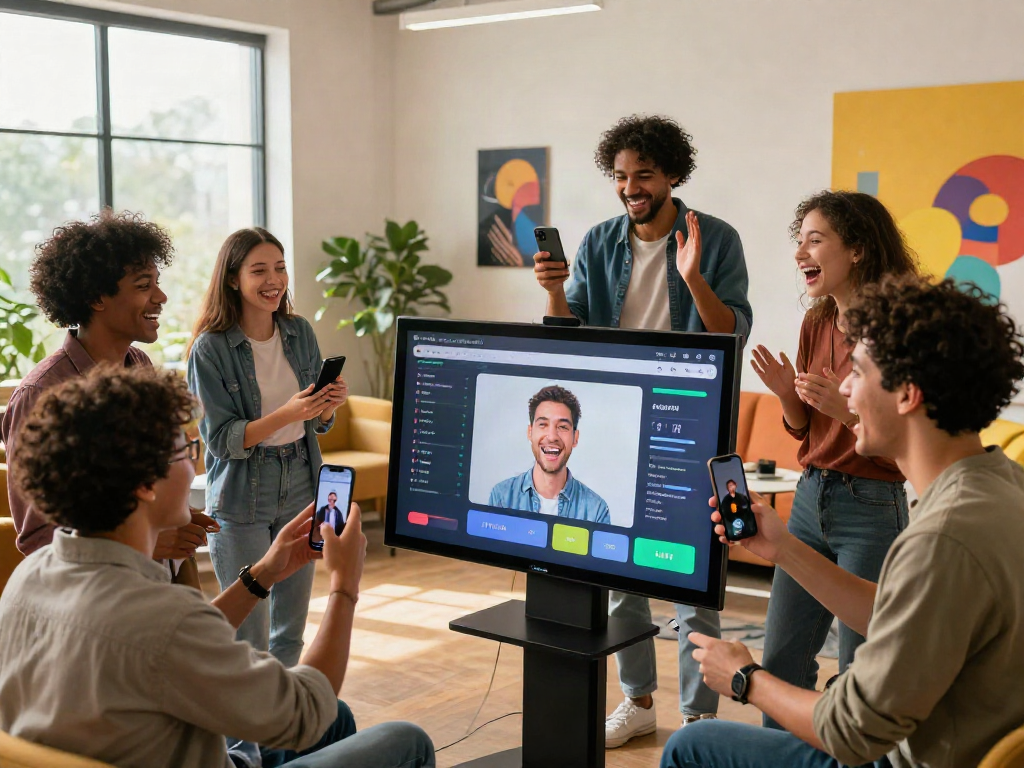
Technological advancements have paved the way for sophisticated methods of estimating age. Using artificial intelligence and machine learning algorithms, various apps can analyze facial features, skin texture, and other characteristics to provide an estimated age. Tools like FaceAge.ai and Fotor have gained immense popularity, allowing users to upload their images and receive instant feedback. These technologies continuously learn from vast datasets, improving their accuracy over time, and becoming more relevant for users seeking insight into how old they may appear.
Common Misconceptions About Age Appearance
There are several misconceptions when it comes to how age is perceived. Many believe that age solely correlates with the number of wrinkles or gray hair, but numerous studies indicate that cultural and societal expectations also play crucial roles. For instance, in some cultures, a youthful appearance might be celebrated, while in others, signs of aging might be associated with wisdom and respect. Additionally, individuals often overestimate age when they assess others, leading to skewed perceptions of their own age as well.
Popular Applications for Estimating Age: A Comparative Analysis
The digital space is saturated with applications dedicated to age estimation. These platforms provide users with quick insights, empowering them to explore their perceived age without the need for professional consultations. Here’s a comparative analysis of some popular options:
Overview of Leading Age Estimator Apps
- FaceAge.ai: This app uses advanced AI technology to analyze uploaded photos and provide users with their estimated age based on facial characteristics.
- Fotor: A user-friendly interface allows people to upload their images effortlessly and receive a real-time age estimation with no signup required.
- BeautyPlus: This app not only estimates age but also offers various beauty filters to enhance photos and engage users creatively.
Evaluating User Experience and Accuracy
When evaluating age estimation apps, it’s essential to consider both user experience and accuracy. Users often look for platforms that provide quick results without compromising privacy. Most apps today emphasize secure settings, allowing users to feel safe while exploring their perceived age. Accuracy, however, can vary; while some apps boast high success rates based on extensive testing, others may struggle with certain demographics. Thus, users should try different applications to find the one that resonates the most with their expectations.
Privacy Considerations When Using AI to Guess Age
As age estimation tools grow in popularity, privacy concerns have also emerged. Users must be aware that uploading personal images can lead to potential misuse of their data. It is crucial to choose applications that prioritize user privacy and employ protective measures. Reading through privacy policies and understanding data practices can help users make informed decisions while enjoying age estimation technologies.
Factors Influencing "How Old Do I Look?" Results
Understanding why individuals may appear older or younger than their actual age involves analyzing various factors. These can significantly affect the results obtained from age estimation tools.
Skin Characteristics and Their Impact on Age Perception
Skin characteristics such as texture, tone, and elasticity are paramount in determining perceived age. Factors like sun exposure, smoking, and hydration levels play a crucial role in skin health. For instance, well-moisturized and protected skin tends to reflect youthfulness, while dry, sun-damaged skin may lead to an older appearance. Individuals looking to maintain a youthful look should invest in quality skincare products that promote hydration and sun protection.
The Influence of Lifestyle Choices on Facial Aging
Aging is not only dictated by genetics but also by lifestyle choices. Diet, exercise, and sleep patterns can dramatically influence how old one appears. For example, diets rich in antioxidants and nutrients can improve overall skin health, while regular physical activity enhances circulation, contributing to a fresher, younger appearance. Conversely, high-stress levels and poor dietary choices can accelerate aging, impacting both physical health and perceived age.
Cultural Differences in Age Interpretation
Cultural perceptions of age can vary significantly across different societies. In some cultures, aging is associated with wisdom and respect, while in others, youthful appearances are prized above all. This variance can impact individuals' self-esteem and their decisions to engage with age estimation tools. Understanding these cultural differences is essential for marketers and app developers when targeting specific audiences.
Real Life Applications: Using Age Estimation for Personal Branding
Age perception plays a crucial role in personal branding, especially in the social media-driven world of 2026. Individuals can utilize age estimation insights to refine their public image and marketing strategies.
Leveraging Age Perception in Social Media and Marketing
Social media platforms offer an incredible opportunity for individuals to curate their personal brands. By understanding their perceived age, users can tailor their content to resonate with their audience more effectively. For instance, influencers may want to appear more youthful to attract a younger demographic or vice-versa, depending on their market goals. Age estimation tools can provide the feedback needed to craft a more relatable and appealing online presence.
How Age Guessing Can Influence First Impressions
First impressions are often based on appearance, making the age we project vital in various contexts, such as job interviews, networking events, or social gatherings. Understanding how others perceive our age can help individuals adjust their presentation and communication styles accordingly. Research indicates that perceived age can impact trustworthiness and likeability, thus influencing personal and professional relationships.
Case Studies: Successful Use of Age Estimation in Branding
Numerous brands have successfully employed age estimation strategies to enhance their marketing efforts. For example, beauty brands often target specific age groups by utilizing models and influencers that resonate with their demographic. Additionally, case studies demonstrate that companies can analyze their audience's perceived age and preferences, allowing for tailored product offerings and marketing messages that appeal to specific age groups.
The Future of Age Estimation Technology: Trends and Innovations for 2026
As technology continues to evolve, age estimation tools are expected to become even more sophisticated, offering users unparalleled insights into their perceived age.
Advancements in AI Facial Recognition Algorithms
In 2026, advancements in AI technology will likely lead to even more accurate facial recognition algorithms. These improvements will enable apps to analyze a broader range of facial features and conditions, providing users with a more comprehensive understanding of their perceived age. Furthermore, algorithms will continuously evolve, learning from user interactions to improve accuracy over time.
Predictions for Age Estimation in Virtual and Augmented Reality
The integration of age estimation technology into virtual and augmented reality holds promising potential. Users may soon experience virtual environments where they can see how they might appear at different ages, helping them visualize the effects of lifestyle choices. This interactive experience could encourage healthier habits and more informed decisions about skincare and personal grooming.
Ethical Considerations and Future Implications
With the rise of age estimation technologies, ethical considerations will undoubtedly come to the forefront. Issues surrounding data privacy, consent, and the implications of age bias need to be addressed proactively. Developers and marketers should strive to implement responsible practices that protect users while providing valuable insights into their perceived age. The future could see regulations that ensure ethical use of age estimation technologies, creating a balance between innovation and user rights.
Frequently Asked Questions
What are the most accurate age prediction apps?
Several apps, including FaceAge.ai and Fotor, are recognized for their accuracy and user-friendly experience. These applications utilize advanced algorithms to deliver reliable age estimations based on facial characteristics.
How do different factors affect my perceived age?
Factors such as skin health, lifestyle choices, stress levels, and even cultural perceptions can significantly impact how others perceive your age. Maintaining a healthy lifestyle can contribute positively to your perceived age.
Is it safe to upload my photo for age estimation?
While many applications prioritize user privacy and offer secure settings, it is essential to research their privacy policies and choose platforms that emphasize data protection when uploading personal images.
Can I use age prediction for personal marketing strategies?
Yes! Understanding your perceived age can enhance your personal branding and marketing strategies, allowing you to tailor your content to better connect with your target audience.
What are the future trends in age estimation technology?
Future trends will likely include advancements in AI and facial recognition, integration with virtual reality, and an emphasis on ethical standards for data use and privacy.