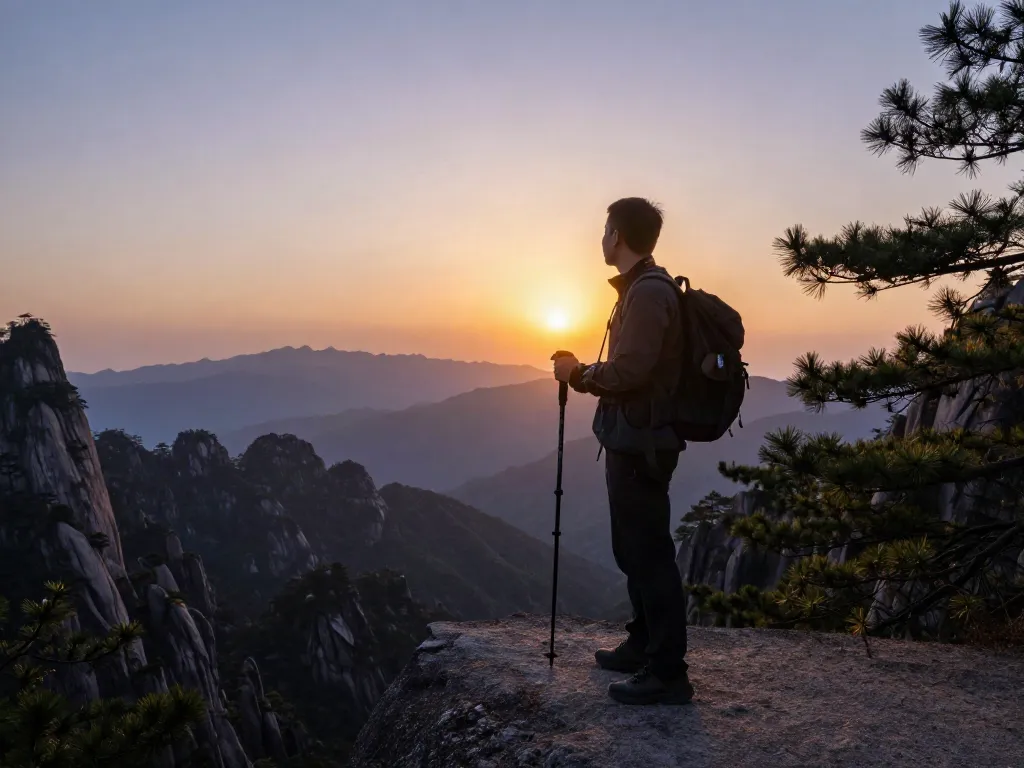
Overview of the Trek to Manaslu Circuit
The Manaslu Circuit Trek stands out as one of Nepal's most extraordinary trekking routes, enveloped in breathtaking mountain scenery and rich cultural heritage. Nestled in the Gorkha region, this trek offers a less-traveled alternative to the more popular Annapurna and Everest circuits, allowing trekkers to immerse themselves in the authentic lifestyle of Tibetan-influenced communities. Spanning approximately 177 km, the trek usually takes around 15 days, taking adventurers through lush valleys, quaint villages, and across the formidable Larkya La Pass, which rises to an elevation of 5,160 meters. Along the way, trekkers will encounter diverse landscapes and significant wildlife, making this journey a unique blend of adventure and exploration. If you’re considering this unforgettable journey, the trek to Manaslu Circuit provides comprehensive insights and planning resources to help you navigate this incredible experience.
What is the Manaslu Circuit Trek?
The Manaslu Circuit Trek is a renowned trekking route that circumnavigates Mount Manaslu, the eighth highest peak in the world at 8,163 meters. It takes trekkers through remote, scenic trails that feature stunning views, ancient monasteries, and vivid local cultures. The trek is classified as a moderate to challenging adventure, attracting seasoned trekkers looking for a more immersive Himalayan experience.
Historical Significance and Cultural Insights
Historically, the Manaslu region was a trade route between Nepal and Tibet. This area is rich in Tibetan culture and offers a glimpse into the lives of local ethnic groups such as the Gurungs and Tibetans. Monasteries dot the landscape, and the majestic Machapuchare (Fishtail Mountain) is often regarded as a sacred peak by locals, adding a spiritual aspect to your trekking experience.
Environmental Features and Biodiversity
The Manaslu Conservation Area is home to an array of flora and fauna, including endangered species such as the snow leopard, red panda, and Himalayan tahr. The diverse ecosystems range from subtropical forests to high-altitude tundra, offering trekkers the chance to witness an extraordinary variety of wildlife and plant life in their natural habitats.
Planning Your Trek to Manaslu Circuit
Planning for the Manaslu Circuit Trek involves several critical steps to ensure a smooth and enjoyable experience. From deciding when to trek to obtaining the necessary permits, thorough preparation is essential for a successful adventure.
Choosing the Right Season for Trekking
The best times to trek the Manaslu Circuit are during the spring (March to May) and autumn (September to November) months. Spring brings blooming rhododendrons and clear skies, while autumn offers breathtaking views of the snow-capped peaks against vibrant blue skies. The winter months can be harsh with snowfall, while the monsoon season (June to August) often results in slippery trails and landslides, making it the least advisable time for trekking.
Necessary Permits and Legal Requirements
Given that the Manaslu Circuit is a restricted area, trekkers must obtain several permits before embarking on their journey. These include the Manaslu Restricted Area Permit (MRAP), the Manaslu Conservation Area Permit (MCAP), and the Annapurna Conservation Area Permit (ACAP). It’s vital that these permits are arranged through a registered trekking company, as individuals cannot acquire them independently.
Budgeting for Your Trek Experience
Budgeting for the Manaslu Circuit Trek depends on various factors including the duration, time of year, and services selected. On average, the cost typically ranges between $1500 to $2500, which usually covers transportation, permits, lodging, meals, and guide/porter fees. Travelers are encouraged to plan for additional expenses such as snacks, electronic charging fees, and optional activities.
Itinerary Breakdown for the Trek to Manaslu Circuit
An effective itinerary is crucial for a successful trek to the Manaslu Circuit. The following day-by-day breakdown highlights key segments of the journey, essential acclimatization days, and noteworthy highlights along the trek.
Day-by-Day Trekking Plan
- Day 01: Arrival at Tribhuvan International Airport in Kathmandu and transfer to the hotel.
- Day 02: Drive to Machha Khola from Kathmandu via Soti Khola by Private Tourist vehicle (8-10 hours).
- Day 03: Trek to Jagat from Machha Khola (6-7 hours).
- Day 04: Trek to Deng from Jagat (6-7 hours).
- Day 05: Trek to Namrung from Deng (7-8 hours).
- Day 06: Trek to Lho from Namrung (3-4 hours).
- Day 07: Trek to Samagaon from Lho (3-4 hours).
- Day 08: Acclimatization at Samagaon. Hike to Birendra Lake and Manaslu Base Camp (4,895m) and back (7-8 hours).
- Day 09: Trek to Samdo from Samagaon (3-4 hours).
- Day 10: Trek to Dharmashala from Samdo (4-5 hours).
- Day 11: Trek to Bimthang via Larkya La Pass (5,160m) (8-9 hours).
- Day 12: Trek to Goa from Bimthang (5-6 hours).
- Day 13: Trek to Dharapani from Goa (3-4 hours).
- Day 14: Drive to Kathmandu from Dharapani via Besisahar (10-12 hours).
- Day 15: Transfer to International Airport for your final departure.
Key Highlights of Each Trekking Segment
Each segment of the trek offers unique experiences, from the vibrant villages rich in culture to stunning panoramic views from mountain passes. Key highlights include:
- Engaging with local communities and experiencing their traditional lifestyle.
- Exploring ancient monasteries, such as the one in Samagaon.
- Witnessing spectacular mountain views, including those from Larkya La Pass.
- Encountering diverse wildlife and plant species along the trek.
Alternative Routes and Customization Options
Although the standard itinerary is designed to provide a comprehensive experience, trekkers looking for alternative routes or customized options can consider additional side trips such as visiting Tsum Valley or extending their stay in Kathmandu or Pokhara for sightseeing, relaxation, or adventure sports.
Essential Gear and Packing List
Proper gear is essential for a successful and comfortable trekking experience. Below is a guide to help you pack adequately for the Manaslu Circuit Trek.
Clothing and Footwear Recommendations
Layering is key for high-altitude trekking. Start with moisture-wicking base layers, followed by insulating mid-layers, and windproof outer shells. Essential items include:
- Thermal underwear, fleece jackets, and waterproof jackets.
- Sturdy trekking boots with ankle support.
- Warm accessories like hats, gloves, and scarves.
Camping Gear and Equipment to Carry
If you choose to bring your own camping gear, ensure that you include:
- A lightweight sleeping bag rated for low temperatures.
- A durable trekking backpack.
- Water purification system (tablets or filters).
Health and Safety Essentials for Trekkers
Prioritizing health and safety while trekking is crucial. Essential items to bring include:
- A first aid kit with altitude sickness medications.
- Personal medications and necessary documents.
- Sun protection items, including sunscreen and sunglasses.
Frequently Asked Questions about the Manaslu Circuit Trek
Addressing common questions can help prepare potential trekkers for the journey ahead.
How difficult is the Manaslu Circuit Trek?
The trek is classified as moderately challenging. Trekkers should be prepared for long days of hiking, ranging from 5 to 8 hours daily, with elevation gains that can lead to altitude sickness if not managed properly.
Can a beginner do the Manaslu Circuit trek?
While prior trekking experience is beneficial, beginners with a good fitness level can successfully complete the trek with proper acclimatization and pacing.
How long does it take to hike the Manaslu Circuit?
Typically, the trek takes around 15 days to complete, including acclimatization days. This duration allows trekkers to enjoy the surroundings and adapt to changing elevations properly.
Can I trek the Manaslu Circuit solo?
Due to its status as a restricted area, solo trekking is not permitted on the Manaslu Circuit. Trekkers must be accompanied by a licensed guide from a registered trekking agency.
What is the best time to plan my trek?
Spring and autumn are the ideal seasons for trekking the Manaslu Circuit. These periods offer the most favorable weather conditions, stunning views, and vibrant landscapes.